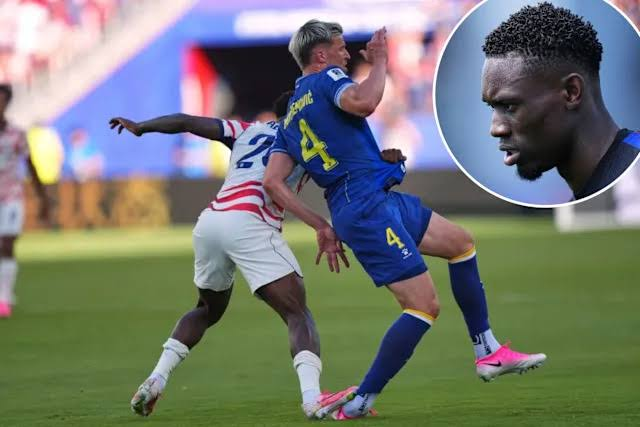

Aggressive full‑backs were central to how many 2017/2018 Bundesliga teams created width, chances, and territorial pressure. Their overlapping runs, crosses, and high pressing did more than decorate the flanks; they systematically increased both shot volume and corner counts in matches where they were heavily involved.
Why Attacking Full‑Backs Matter in a Betting Context
Modern tactical analysis describes the full‑back not just as a defender but as a primary source of width and chance creation in systems where wingers move inside. By pushing high and wide, full‑backs stretch the last line, open crossing lanes, and repeatedly deliver balls into the box, which naturally leads to more blocked shots, deflections, and last‑ditch clearances behind for corners. In a league historically rich in goals and attacking football, that pattern was pronounced across many 2017/2018 setups.
From a betting perspective, this is directly relevant to shot and corner markets. Teams whose full‑backs consistently attack generate more entries into the final third and more low‑to‑medium quality shots that may not boost expected goals much but still count toward shots and create corner‑producing deflections. Understanding which sides rely on flying full‑backs therefore helps explain why some matches show persistently high corner totals and steady shot counts even when the core forwards are underperforming.
The Tactical Role of the Modern Full‑Back
Coaching resources describe the modern full‑back as responsible for both defending wide areas and joining attacks with overlaps or underlaps around the winger, often providing the main width while the wide forward drifts inside. This dual responsibility forces them to cover long distances, as evidenced by distance‑covered stats for wide defenders in recent Bundesliga seasons. Their attacking duties typically include: overlapping runs beyond the winger, early crosses from deep, cut‑backs from the byline, and switches of play to the opposite flank.
In the 2017/2018 Bundesliga, many teams adopted four‑man back lines with full‑backs encouraged to advance aggressively whenever possession reached the opposition half. That behaviour increased the number of 2v1 situations out wide, forcing defenders into choices between closing the crosser and protecting the box. The outcome—more balls delivered into congested areas—directly influenced how often shots materialised and how frequently defenders had to concede corners to stay safe.
How Overlapping Runs Turn Into Shots
The full‑back’s overlapping run changes the geometry of the attack by creating a passing lane into wide space and pulling a defender away from central zones. When a winger releases the overlapping full‑back, the defence must either track the run, freeing space for a cut‑back to the edge of the box, or hold shape and allow a crossing opportunity. Both outcomes typically result in shot attempts: either a cross‑derived header or volley, or a second‑phase shot after a half‑clearance.
Because many of these chances originate from wide angles and under pressure, their individual expected‑goal values are often modest. However, the sheer frequency of such situations in Bundesliga matches—where teams commonly build attacks down the wings—means that full‑back involvement can materially increase overall shot counts even if goal tallies do not spike proportionally. For bettors concerned with “shots on target,” “team shots,” or player shooting props, heavily attacking full‑backs add hidden volume to games that might look balanced if judged only by central striker form.
Corner Generation: Why Full‑Backs Are a Corner Bettor’s Friend
Corner statistics across top leagues show that average matches feature around 9–10 corners, with high‑press, wing‑focused teams often sitting above that baseline. Attacking full‑backs amplify this trend because their primary actions—driving to the byline and crossing under pressure—produce deflections off defenders and forced clearances behind the goal line.
A typical sequence is: overlap → low cross blocked → ball behind for a corner. Even when the cross beats the first man, crowded penalty areas increase the chance that a defender heads or slices the ball out over the byline rather than into safe zones. Over the 2017/2018 season, teams that structurally relied on their full‑backs to provide width would therefore be expected to win more corners than similarly ranked teams with more central, narrow attacks, all else equal. For corner‑total and “team corners” markets, recognising that tendency is critical.
Mechanisms Linking Width to Corner Totals
Coaches’ guides highlight that full‑backs not only create width but also support pressing high up the touchline, aiming to keep opponents pinned in their defensive third. This tendency produces three corner‑friendly mechanics: repeated crosses into the box, blocked shots after cut‑backs, and aggressive counter‑pressing that turns partial clearances into renewed wide attacks. Each cycle increases the chance of another corner even if no goal arises.
In practical betting terms, when you see a 2017/2018 Bundesliga side using full‑backs to camp in the opposition half—particularly against a deep‑defending opponent—you should expect higher‑than‑average corner counts. This does not guarantee a specific over line will land, but it shifts the probability distribution toward higher totals relative to matches where both teams keep their full‑backs conservative.
Full‑Back Profiles and the Types of Chances They Create
Not all attacking full‑backs produce the same pattern of opportunities. Tactical and performance analysis distinguishes between high‑cross full‑backs, who strike many balls into the box from varied depths, and combination full‑backs, who often underlap or attack half‑spaces to create cut‑backs and ground passes. Their profiles shape the type and location of resulting shots.
High‑cross profiles tend to increase aerial attempts—headed shots, flick‑ons, and second‑ball volleys—which are often low‑to‑medium xG but numerous. Combination full‑backs, on the other hand, are more likely to generate cut‑backs towards the penalty spot or edge of the box, feeding higher‑quality shots from late runners. For bettors, this distinction helps in interpreting player and team shooting props: teams driven by crossing full‑backs may generate many attempts for target forwards and centre‑backs on set‑like patterns, while combination‑oriented full‑backs may support more shots from attacking midfielders and late‑arriving central players.
Using a Betting Platform to Exploit Full‑Back‑Driven Patterns
When you’ve identified a match where both 2017/2018 Bundesliga teams deploy aggressively attacking full‑backs, or where one side clearly dominates wing play, you still need access to the right markets to turn that insight into structured bets. Under those conditions, a rational bettor might explore corners, total shots, and even “player shots” or “assist” markets before committing. That exploration is smoother when your chosen betting platform groups these prop categories clearly and allows quick comparison of lines and prices across them. In that sense, some bettors found that working with a service whose interface made it simple to locate shot‑ and corner‑related markets, and to track how often certain patterns hit over a season, gave them more confidence in their full‑back‑driven models—regardless of whether those positions were ultimately placed through ยูฟ่าเบท or a competing operator—because the infrastructure supported systematic rather than improvised decisions.
Avoiding Overestimation: When Full‑Back Attacks Don’t Translate
While attacking full‑backs generally raise shot and corner counts, there are scenarios where their impact is muted. Low‑block opponents that deny space in wide areas can funnel crosses into less dangerous zones, forcing full‑backs to recycle possession rather than hit high‑risk balls. In those matches, width still exists but leads more to sideways passing and fewer box entries, keeping both shots and corners lower than tactical shape alone might suggest.
Fatigue and fixture congestion can also reduce full‑back intensity. Because these players cover large distances, a tight schedule or minor injuries can cause them to choose safer, earlier passes instead of repeated overlaps. For bettors, this means full‑back‑driven angles work best when line‑ups include first‑choice wide defenders, the tactical plan explicitly relies on flank overloads, and opponent behaviour supports the expected pattern. Treating “attacking full‑backs” as a fixed guarantee of high corners or shots, without checking these conditions, risks over‑staking on matches where wider context argues for caution.
Keeping Corner and Shot Strategies Distinct From Other Betting Activity
Strategies built on full‑back behaviour most often express themselves through niche markets: corners, shots, and assist‑oriented props. In modern multi‑market accounts, those bets can easily blend into broader accumulators or into unrelated gambling products. Record‑keeping advice for bettors stresses tagging bets by underlying logic, so that corner or shot strategies are evaluated separately from, say, pure result‑driven parlays.
When your account also connects to a broader casino online website, separating bankroll and logs for football‑specific models helps protect the integrity of your analysis. If your aim is to test whether identifying attacking full‑backs in a season like 2017/2018 leads to a measurable edge in corners and shots, then you need the resulting data to reflect only those structured bets, without noise from unrelated games. This separation makes it possible to refine or discard the approach based on evidence rather than on mixed outcomes from different gambling domains.
Summary
Aggressive full‑backs in the 2017/2018 Bundesliga played a decisive role in driving shot volume and corner counts by providing width, overlapping relentlessly, and feeding crosses and cut‑backs into the box. For bettors, understanding which teams relied on these modern full‑back patterns—and under which match‑up conditions those patterns emerged—offered a practical way to anticipate elevated shots and corner totals beyond what raw league averages suggested. When combined with disciplined market selection, clear record‑keeping, and attention to line‑ups and tactical context, full‑back analysis becomes a concrete, testable angle in the broader toolkit for reading Bundesliga matches through a data‑driven lens.