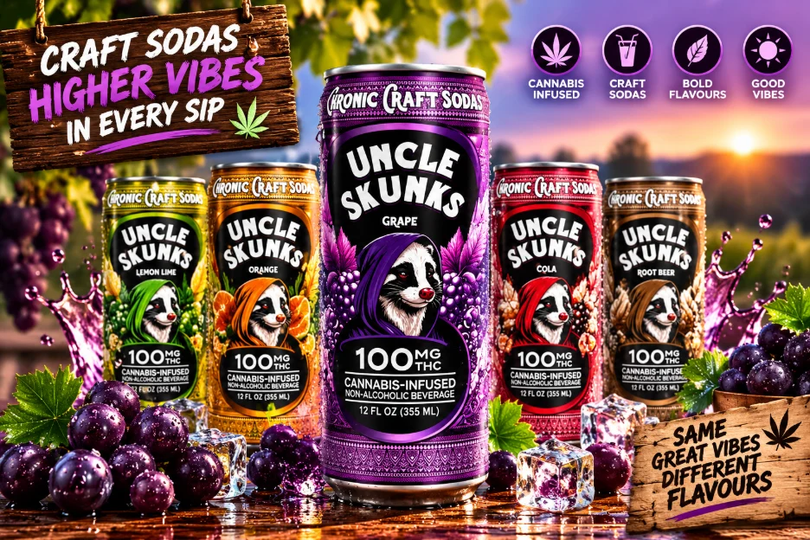

Beverages come in many forms, from everyday soft drinks and iced teas to products made with cannabis compounds. Cannabis infused drinks offer a different experience because they contain cannabinoids such as THC or CBD, rather than relying only on familiar ingredients like water, sugar, tea, or fruit juice. Traditional beverages are usually chosen for refreshment, flavour, or energy, while cannabis beverages may appeal to adults interested in a different kind of drinking experience. Brands such as Uncle Skunks are part of the wider conversation around cannabis beverages, where ingredients, serving sizes, product information, and responsible use all deserve careful attention.
What Are Cannabis Infused Drinks?
Cannabis infused drinks are beverages made with compounds extracted from the cannabis plant or produced through other permitted methods. Depending on the formulation, they may contain tetrahydrocannabinol (THC), cannabidiol (CBD), or other cannabis-derived ingredients. THC is the compound mainly associated with the intoxicating effects of cannabis. CBD does not usually produce the same intoxicating effects, although it can still affect the body and may interact with certain medicines.
These drinks come in different forms, including:
- Sparkling waters and flavoured sodas.
- Fruit-flavoured beverages.
- Teas and other non-carbonated drinks.
- Ready-to-drink canned products.
- Beverages formulated with CBD or THC.
The ingredients and effects vary by product. Some contain no THC, while others are specifically formulated to deliver a measured amount. Reading the label is essential because the product category alone does not explain its strength or likely effects.
Traditional Beverages: Familiar Ingredients and Uses
Traditional beverages include water, coffee, tea, soft drinks, juices, sports drinks, and other everyday refreshments. Their main purposes may include hydration, enjoyment, flavour, or providing caffeine and other familiar ingredients. Most traditional drinks do not contain cannabis compounds. Their effects generally depend on their ingredients. Coffee and some teas contain caffeine, sugary drinks provide added sugars, and water supports normal hydration.
Consumers often choose these beverages based on taste, price, availability, nutritional content, and personal habits. Many products also have established serving sizes and nutrition labels that make it easier to compare calories, sugar, caffeine, and other ingredients. Cannabis beverages require a different level of attention because cannabinoid content can affect how a person feels and behaves.
The Main Differences Between the Two
1. Ingredients and Formulation
Traditional beverages usually contain water, flavourings, sweeteners, fruit extracts, caffeine, or other common food ingredients. Cannabis infused drinks may include some of these same ingredients alongside THC, CBD, or other cannabinoids.
Manufacturers must also consider how cannabinoids mix with liquids. Cannabis compounds do not always dissolve easily in water, so some formulations use emulsions or other processing methods to distribute them throughout a beverage.
The formulation can influence consistency, taste, and how quickly the body absorbs the active ingredients. However, a particular technology does not guarantee that every product will produce the same effects.
2. Effects on the Body
Traditional beverages generally have effects linked to their specific ingredients. Water supports hydration, caffeine may increase alertness, and drinks with substantial added sugar provide calories.
THC beverages can cause intoxication, changes in perception, impaired coordination, and slower reaction times. CBD products generally do not cause the same high, but they should not automatically be considered risk-free.
Effects can vary according to the amount consumed, the person’s experience, individual sensitivity, food intake, and other substances or medicines. Cannabis beverages should never be treated as ordinary refreshments simply because they look similar to soft drinks.
3. Onset and Duration
The timing of effects is another important difference. Traditional drinks such as coffee may produce noticeable effects relatively quickly, depending on their ingredients and the person consuming them.
Cannabis beverages can behave differently. THC taken by mouth may take 30 minutes to two hours or longer to produce noticeable effects, and the full effects may take longer to develop. The duration can also extend for several hours.
Product formulation, individual metabolism, and serving size all influence the experience. Drinking more because the first serving has not produced an immediate effect can increase the risk of unwanted intoxication.
4. Taste and Drinking Experience
Traditional beverages offer familiar flavours, including citrus, berry, cola, coffee, and herbal tea. Their taste usually comes from the base ingredients, flavourings, and sweeteners.
Cannabis beverages can offer similar flavour choices, although some formulations may have an earthy or herbal note. Manufacturers may use fruit flavours, carbonation, or other ingredients to create a balanced taste.
The flavour does not indicate the amount of THC or CBD in a drink. A sweet, mild-tasting beverage may still contain a significant amount of THC, making label information more useful than taste when assessing its contents.
Why Serving Sizes and Labels Matter
Traditional beverages often list nutritional information such as calories, sugar, caffeine, and serving size. Cannabis beverages may also provide nutrition details, but their cannabinoid information deserves particular attention. Uncle Skunks reflects the wider cannabis beverage market, where clear product labelling helps consumers understand THC and CBD content, serving sizes, and ingredient information before making informed decisions.
Before consuming a cannabis beverage, adults should check:
- THC and CBD content: Identify which cannabinoids are present and the amount per serving.
- Serving size: Check whether the container contains one serving or several.
- Ingredient information: Review allergens, sweeteners, caffeine, and other active ingredients.
- Testing information: Look for reliable laboratory testing and clear product documentation where required.
- Legal requirements: Confirm that the product is permitted in the relevant location and complies with applicable rules.
Clear labelling helps consumers understand what a product contains. It does not remove the risks associated with THC or make every formulation suitable for every adult.
The Role of Brands in the Cannabis Beverage Market
As the beverage category develops, brands must communicate product details clearly and responsibly. Consumers benefit from straightforward information about ingredients, cannabinoid amounts, expected effects, and storage instructions. Uncle Skunks can be considered within this broader discussion of cannabis beverage branding, where product presentation should be supported by transparent information rather than assumptions about effects or quality.
A useful product description should explain what the beverage contains, how its serving size is measured, and what precautions apply. Marketing should also avoid suggesting that cannabis drinks treat medical conditions or are automatically safer than alcohol or conventional beverages.
Safety and Responsible Consumption
Cannabis infused drinks are not suitable for everyone. THC can impair judgment, attention, coordination, and reaction time. People should not drive, cycle in traffic, or operate machinery after consuming an intoxicating cannabis product. Responsible handling includes keeping these beverages away from children and pets, storing them in their original packaging, and avoiding containers that could be mistaken for ordinary drinks. Cannabis products should not be combined with alcohol or other intoxicating substances because their effects may become less predictable.
People who are pregnant or breastfeeding should avoid cannabis use. Anyone taking medication or managing a health condition should speak with a qualified healthcare professional before considering products containing cannabinoids. Laws also vary across the United States. State rules may differ on permitted products, THC limits, sales, possession, and age restrictions. A product available legally in one state may not be lawful in another.
Making an Informed Comparison
The choice between traditional and cannabis infused beverages depends on their ingredients, intended use, and potential effects. Traditional drinks are generally selected for hydration, flavour, or familiar ingredients. Cannabis beverages introduce additional considerations, especially cannabinoid content, delayed effects, legal restrictions, and impairment. Understanding these differences allows adults to evaluate product information more carefully. Clear labels, reliable testing, responsible storage, and awareness of local laws are useful starting points for anyone learning about the category. Contact us today to learn more about cannabis beverage information, product ingredients, and responsible industry practices. Make informed decisions by reviewing labels carefully, understanding applicable laws, and putting safety first.