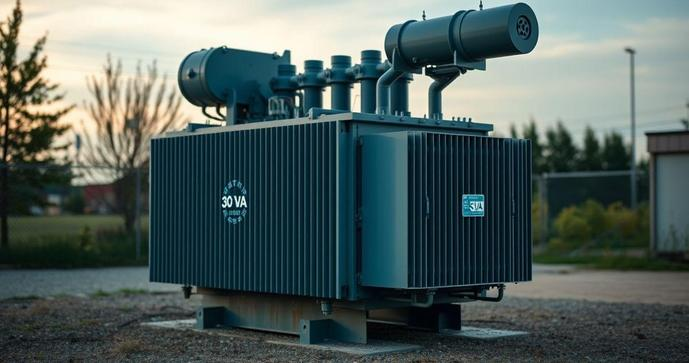

Selecting the right transformer requires more than checking its rated capacity. Voltage requirements, installation space, load characteristics, cooling method, efficiency, insulation, and operating conditions all affect the suitability of a transformer for a particular electrical system. A 30 KVA transformer is commonly considered for small commercial facilities, workshops, agricultural installations, residential developments, and light industrial applications where dependable voltage conversion is required.
This guide explains the main specifications, physical considerations, expected pricing factors, and selection points buyers should review before purchasing a transformer.
What Is a 30 KVA Transformer?
A transformer is an electrical device rated to handle an apparent power capacity of 30 kilovolt-amperes. It transfers electrical energy between circuits through electromagnetic induction while changing the voltage level according to the requirements of the installation.
The actual output voltage depends on the transformer’s design. Common configurations include step-down transformers for reducing distribution voltage to a lower usable level and step-up transformers for increasing voltage for specific electrical applications.
The capacity rating alone does not determine suitability. The primary voltage, secondary voltage, phase arrangement, frequency, impedance, insulation class, and installation environment should all match the electrical system.
Where Is a 30 KVA Transformer Used?
A transformer with this capacity can serve a range of applications where the connected electrical load is moderate. Typical installations include workshops, small manufacturing units, commercial buildings, farms, office facilities, and auxiliary electrical systems.
It may supply lighting, motors, heating equipment, pumps, control systems, machinery, or a combination of electrical loads. The expected demand should be calculated before installation because motors and other equipment can create starting currents considerably higher than their normal operating current.
For installations with variable loads, engineers may also examine the load profile rather than relying only on the total connected load. This helps determine whether the transformer has sufficient capacity during periods of peak demand.
Understanding Transformer 30 KVA Ratings
The rating describes the maximum apparent power capacity under specified operating conditions. It should not be confused directly with kilowatts because KVA includes both real power and reactive power.
Power factor affects the relationship between KVA and KW. For example, a transformer operating at a power factor of 0.8 would correspond to approximately 24 KW of real power under that condition.
The voltage ratio is another major specification. A transformer designed for one primary and secondary voltage combination should not automatically be substituted for a unit with different voltage requirements.
Phase configuration also matters. Single-phase and three-phase systems have different electrical characteristics, wiring arrangements, and applications. The selected transformer should correspond to the supply and load configuration.
Checking 30 KVA Transformer Dimensions
Physical size matters just as much as electrical capacity during installation planning. The KVA transformer dimensions vary according to construction, cooling method, insulation system, enclosure, manufacturer design, and whether additional accessories are included.
Dry-type units, for example, may have different dimensions from oil-filled designs of the same electrical rating. Terminal arrangements, cooling equipment, protective enclosures, and cable entry locations can also affect the required installation space.
Before preparing a foundation, cabinet, room, or mounting platform, obtain the manufacturer’s dimensional drawing. The drawing should show overall height, width, depth, terminal locations, mounting-hole positions, and recommended clearances.
Adequate ventilation and working space should also be considered. A transformer should not be installed in a confined area simply because its physical body fits. Heat dissipation and safe access for inspection and maintenance are necessary parts of installation planning.
Factors That Affect 30 KVA Transformer Price
The transformer price can vary substantially because transformers with the same capacity may use different materials, construction methods, insulation systems, and accessories.
Copper and aluminium windings can affect the cost, while the type and quantity of core material influence efficiency and manufacturing expenses. Dry-type construction may have different pricing from oil-filled construction because their cooling and insulation arrangements differ.
Other factors include:
- Primary and secondary voltage ratings
- Single-phase or three-phase construction
- Frequency requirements
- Winding material
- Core design
- Insulation class
- Cooling method
- Enclosure type
- Tap-changing requirements
- Protective accessories
- Testing and certification
- Transportation and installation costs
A lower purchase price does not necessarily represent the lowest overall cost. Efficiency, expected operating hours, maintenance requirements, service life, and installation expenses can affect the long-term value of the equipment.
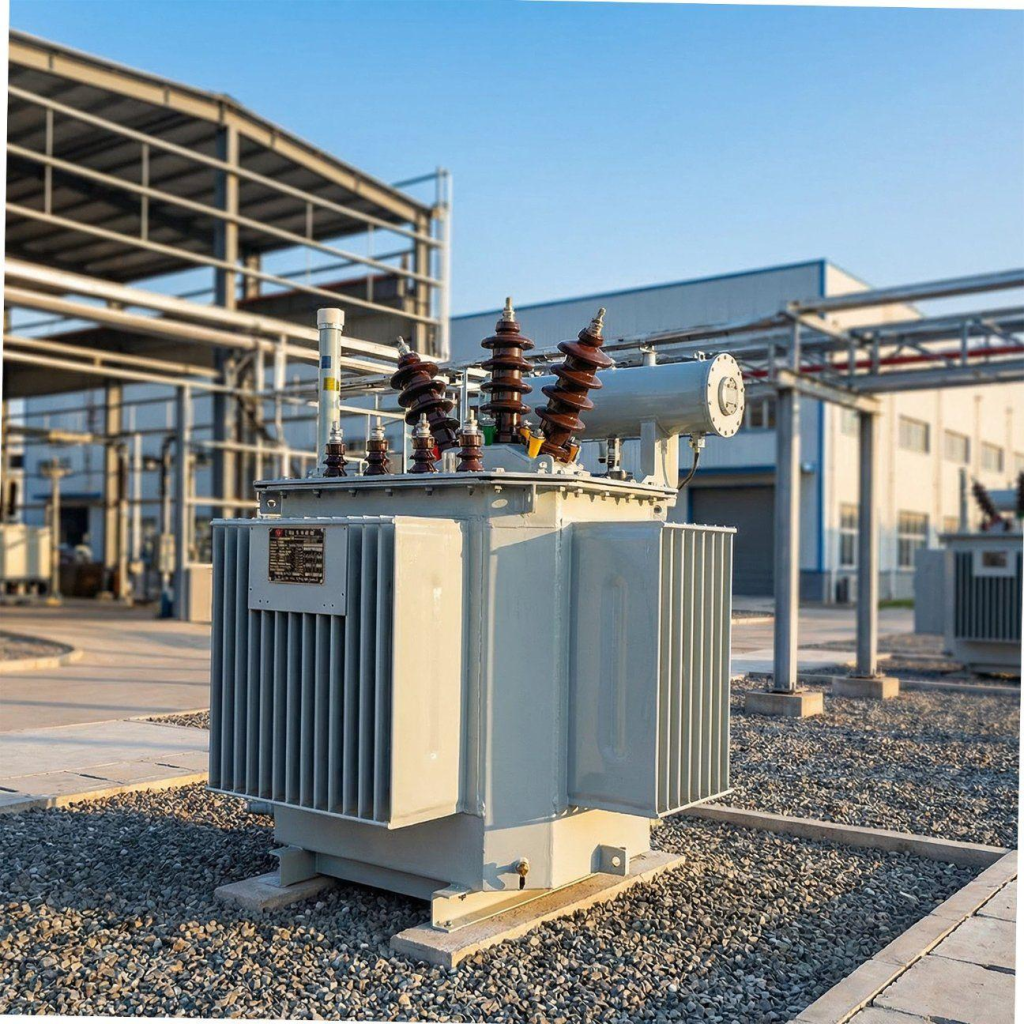
How to Select the Right Transformer
Start by identifying the electrical supply and the equipment that the transformer will serve. Record the primary voltage, required secondary voltage, frequency, phase configuration, and expected load.
Next, calculate both continuous and peak demand. Equipment such as motors, compressors, pumps, and welding machinery may require additional capacity during startup or periods of heavy operation.
The installation environment should also influence the selection. Indoor electrical rooms may favor one construction type, while outdoor installations may require weather-resistant enclosures and appropriate environmental protection.
Temperature, humidity, dust, altitude, ventilation, and exposure to chemicals can affect transformer performance. These conditions should be communicated to the supplier or electrical engineer before the unit is specified.
Installation and Safety Considerations
Transformer installation should follow applicable electrical standards and the manufacturer’s instructions. Correct grounding is essential for personnel safety and system protection.
The installation should provide appropriate overcurrent protection, suitable cable sizing, adequate ventilation, and sufficient clearance around the equipment. Connections must be tightened according to specified requirements because loose terminals can produce heat and electrical faults.
After installation, qualified personnel should inspect the connections and verify voltage levels before the transformer is placed into normal service. Depending on the application and local requirements, electrical testing may include insulation resistance, winding checks, polarity or phase verification, and other commissioning tests.
Routine inspection can help identify overheating, unusual noise, damaged insulation, loose connections, contamination, or other signs of deterioration.
Comparing Capacity With Future Load Growth
A transformer should be selected according to present requirements while allowing reasonable consideration for future expansion. Installing a unit that operates close to its maximum rating continuously can reduce operating flexibility.
At the same time, choosing an unnecessarily oversized transformer can increase initial costs and may affect efficiency under light loading. The ideal capacity depends on the actual load profile, expected expansion, and technical requirements of the installation.
For commercial and industrial projects, a qualified electrical professional can calculate demand, diversity, starting requirements, voltage drop, and protection settings before the final transformer specification is approved.
Final Selection Checklist
Before ordering a transformer, verify the rated capacity, primary voltage, secondary voltage, frequency, phase arrangement, winding material, insulation system, cooling method, enclosure, dimensions, weight, connection arrangement, and applicable testing requirements.
Also confirm the available installation area and required clearances. Request technical drawings and specification sheets rather than relying solely on a product photograph or a general capacity description.
A properly specified 30 KVA transformer should match the electrical system, physical installation conditions, expected load, and applicable safety requirements. Careful comparison of technical specifications can prevent costly changes after purchase and help ensure reliable operation throughout the equipment’s service life.