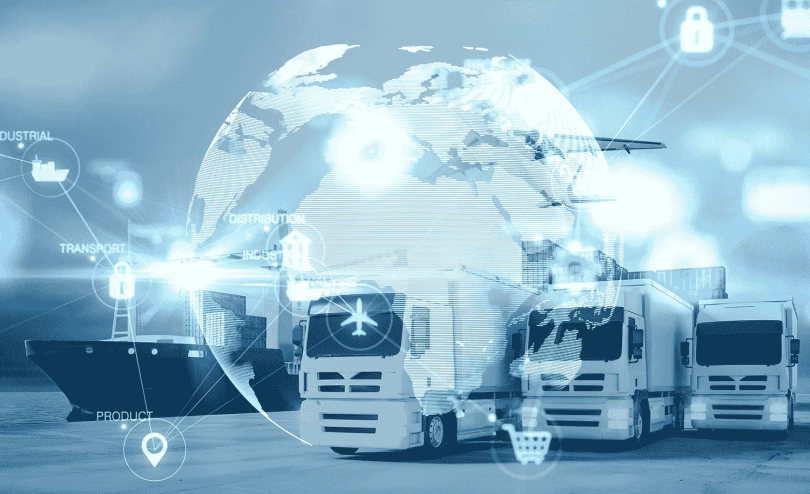

The transportation industry has always been built around getting people and goods from one place to another, but the way those journeys are organized is changing fast. Digital platforms are making transportation easier to arrange, simpler to track, and more transparent for both customers and service providers.
From ridesharing apps to freight marketplaces, technology is helping remove much of the guesswork that used to come with booking transportation. Instead of making multiple phone calls or relying on limited local options, people can now compare services, communicate with providers, and manage bookings from a single device.
Making Transportation Easier to Arrange
Convenience is one of the biggest changes digital platforms have brought to the industry. Customers increasingly expect to be able to organize transportation online, whether they are booking a taxi, arranging a delivery, renting a vehicle, or moving something large across the country.
This has also made specialist transportation services more accessible. Someone relocating or buying a vehicle in another state, for example, can search for Detroit car transporters online rather than trying to contact individual companies one by one.
By bringing multiple providers and options into one digital space, these platforms can reduce the amount of time customers spend researching and arranging transportation.
Giving Customers More Information
Digital services have also increased transparency. In the past, customers might have accepted the first quote they received simply because comparing providers required so much effort.
Today, online platforms can make it easier to view different prices, service options, availability, and customer feedback before making a decision. This allows people to choose transportation based on their priorities rather than simply going with whichever provider they happen to find first.
Tracking technology has added another layer of visibility. Customers have become accustomed to seeing where a package, driver, or delivery is and receiving updates along the way.
Helping Providers Work More Efficiently
The benefits are not limited to customers. Transportation companies can use digital tools to manage schedules, plan routes, reduce empty journeys, communicate with customers, and organize their workloads more efficiently.
Data can also help businesses identify patterns. If certain routes are consistently busy or particular services are growing in demand, companies can adjust their operations accordingly.
For independent drivers and smaller transportation businesses, online marketplaces can also provide access to customers they may never have reached through traditional advertising alone.
Creating More Flexible Transportation Networks
Perhaps the biggest shift is that digital platforms can connect available transportation capacity with people who need it. Rather than every journey operating independently, technology can help match drivers, vehicles, shipments, and passengers more effectively.
That can make transportation networks more flexible and potentially reduce wasted mileage. It also allows services to respond more quickly when demand changes.
Transportation Is Becoming More Connected
Digital platforms have not changed the fundamental purpose of transportation, but they are reshaping how the industry operates. Customers have more information and greater choice, while providers have new tools for managing journeys and finding business.
As technology continues to develop, transportation is likely to become even more connected, transparent, and responsive. The journey may still happen on the road, rail, sea, or in the air, but increasingly, it begins with a screen.